Signs Your Home Appliances Need Repair Before They Break Down
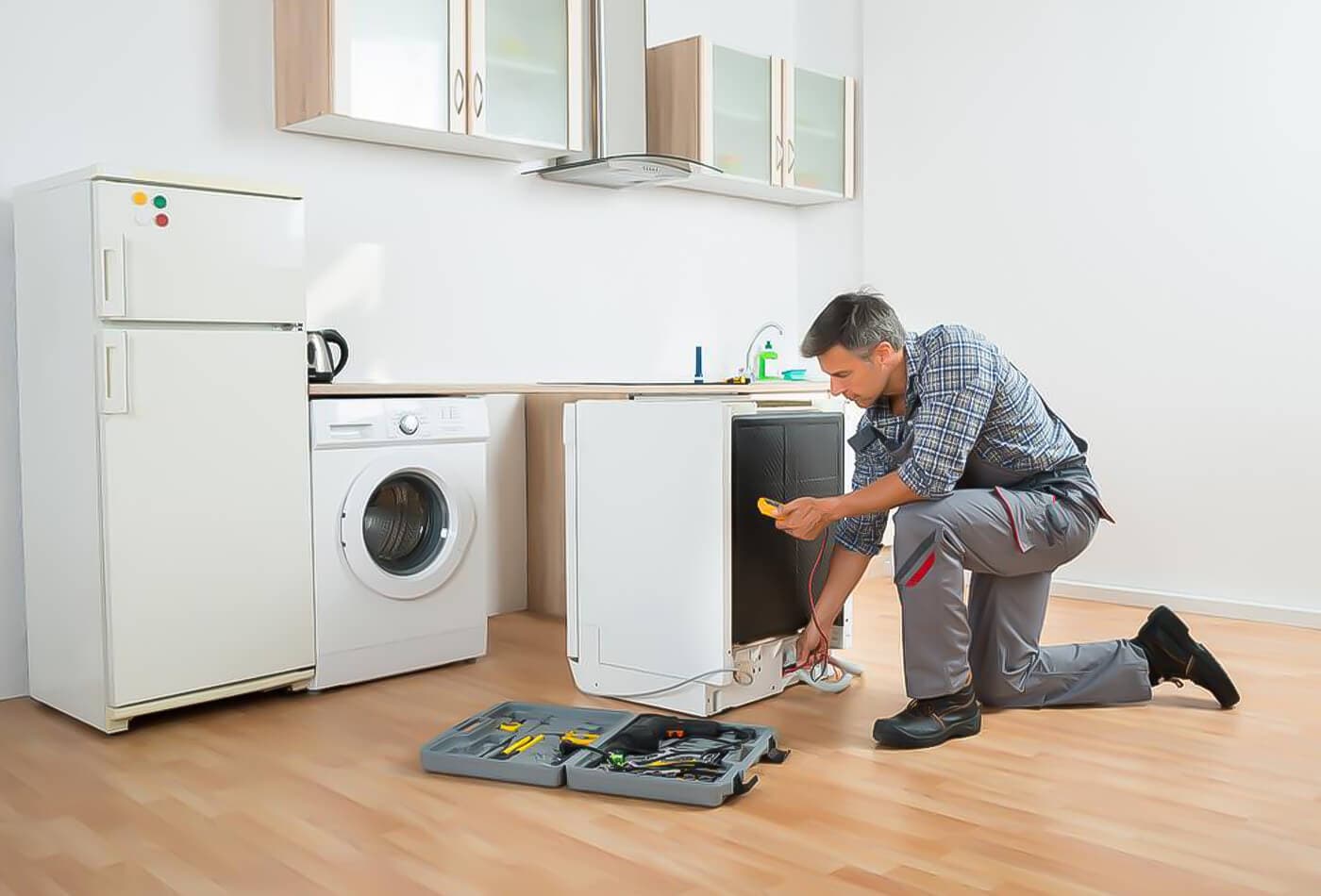
Most home appliances do not fail without warning. A refrigerator gets louder. A dryer takes longer to dry. A dishwasher leaves spots on glasses. These small changes are easy to ignore, but they often point to a bigger problem. Calling a technician early can save money and prevent a full breakdown. For homeowners who need reliable service, https://www.truetechappliance.com/ can help with appliance repair, diagnostics, and common home appliance issues.
Why small appliance problems matter
A strange sound or weak performance may not look urgent. The appliance still works, so many people wait. The problem is that worn parts can damage other parts. A cheap repair can turn into a major replacement if the issue keeps running in the background.
For example, a dryer with poor airflow may overheat. A refrigerator with dirty coils may work harder every day. A washer with a small leak can damage flooring. These problems usually get worse, not better.
Warning signs you should not ignore
Some appliance repair signs are easy to notice. Others are more subtle. Pay attention if you see:
- unusual noise or vibration;
- water under the appliance;
- longer cycles than usual;
- weak cooling or heating;
- burning smell;
- error codes;
- higher energy bills;
- food spoiling too fast;
- clothes coming out wet;
- dishes staying dirty after a full cycle.
One sign may not always mean a serious issue. But if it repeats, it is worth checking.
Refrigerator problems that need attention
A refrigerator should run quietly and keep a steady temperature. If it starts clicking, buzzing, leaking, or freezing food in the fresh section, something is wrong. The cause can be simple, like dirty condenser coils. It can also be a bad fan, thermostat, sensor, or compressor issue.
Food safety is the main concern. If the fridge cannot hold the right temperature, waiting too long can be expensive. Spoiled groceries can cost more than the first service call.
Washer and dryer issues
Washers and dryers work under heavy stress. They move, heat, spin, drain, and handle water or airflow. That means small problems can grow fast.
A washer may need repair if it:
- Shakes too much during the spin cycle.
- Leaves water in the drum.
- Makes grinding sounds.
- Leaks from the door or bottom.
- Stops before the cycle ends.
A dryer may need service if clothes stay damp, the machine gets too hot, or there is a burning smell. Poor drying often comes from blocked vents, a weak heating element, or sensor problems.
When a dishwasher starts acting up
A dishwasher should clean, drain, and dry without drama. If dishes come out greasy, cloudy, or covered with food, the issue may be more than detergent. Clogged spray arms, a weak pump, a bad inlet valve, or a heating problem can all affect performance.
Water leaks are especially important. Even a small dishwasher leak can damage cabinets and flooring. If you see water near the base, do not keep running full cycles.
Oven and stove repair signs
Cooking appliances can also give early warnings. An oven that heats unevenly may have a sensor or heating element problem. A burner that will not light may need cleaning, adjustment, or part replacement. If the control panel works only sometimes, the issue should be checked before it fails during cooking.
With gas appliances, safety comes first. Any smell of gas, delayed ignition, or unusual flame color should be handled carefully. Do not ignore it.
Repair early or replace later
Not every appliance is worth repairing. Age, condition, brand, and part cost all matter. But early diagnostics give homeowners a choice. A technician can explain whether the repair makes sense or if replacement is the smarter option.
A good rule is simple. If the appliance is fairly new, the repair is reasonable, and the main system is still strong, repair may be the better path. If it is old and has repeated failures, replacement may be more practical.
A smarter way to handle appliance issues
The best time to call for appliance repair is before the machine completely stops. Watch for changes in sound, smell, temperature, leaking, drying time, or cleaning quality. These signs are usually the appliance asking for help.
Fast diagnostics can prevent stress, protect your home, and keep daily routines normal. Appliances are used every day, so small repairs often make a big difference.